In 2020, the world experienced a rupture.
A moment where everything familiar seemed to pause, crack open, and expose what had long been hidden beneath the surface. Most people remember that year for the spread of COVID-19, but in many ways it was also a year when other “viruses” surfaced—fear, inequality, violence, isolation, and long-ignored social wounds.
It felt apocalyptic not because the world ended, but because illusions did.
In moments like these, I find myself returning to mythology. Not as escapism, but as a language. A tool humans have always used to make sense of chaos, suffering, beauty, and power. Mythology was never just about gods and monsters. It was always about us.
This is where Modern Mythology begins.
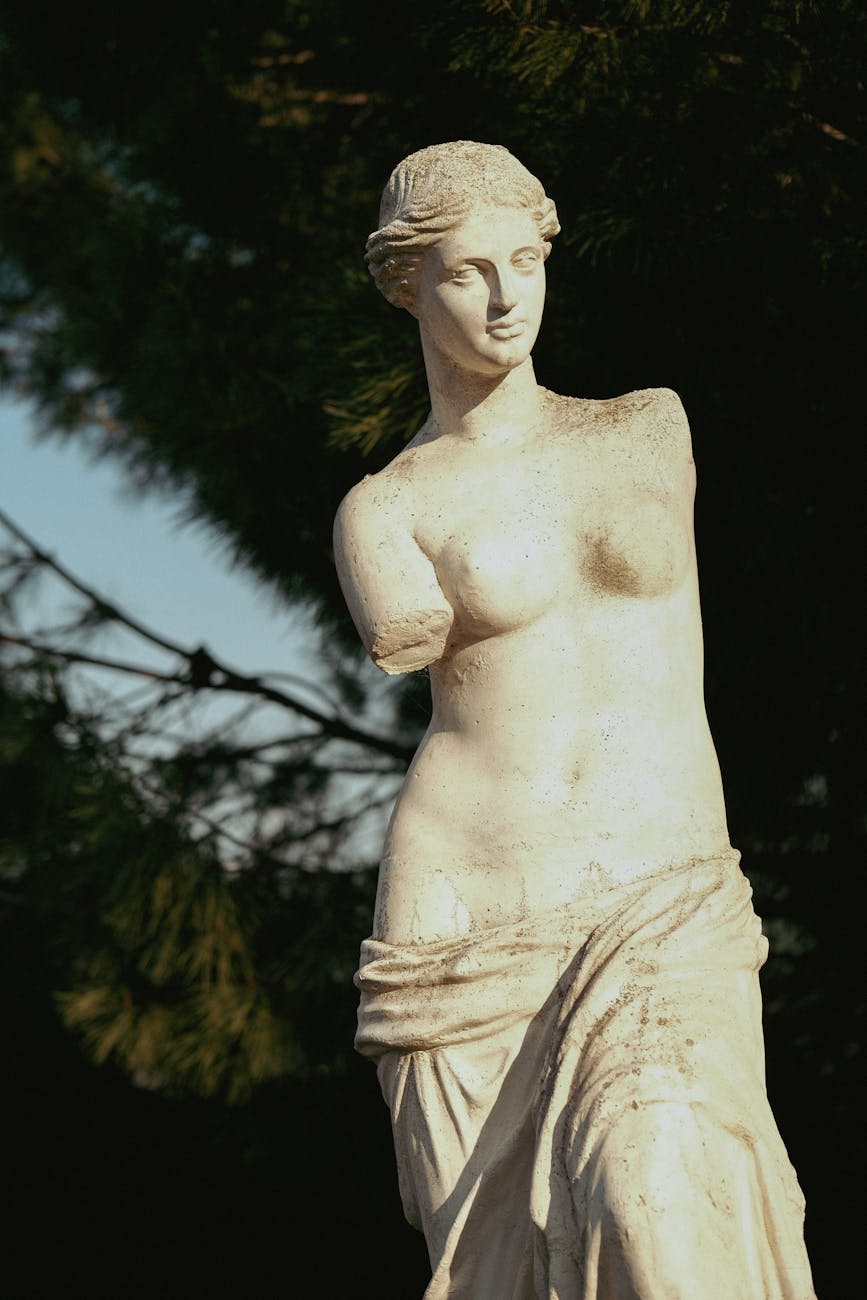
Why mythology still matters
We often think of myths as relics of the past, stories that lost relevance once science and modern systems took over. But mythology never disappeared. It transformed.
Today, our gods look different. They wear the faces of nations, borders, productivity, beauty standards, ideologies. Our rituals have changed names, not functions. And our heroes are no longer demigods with swords, but figures who embody resistance, sacrifice, desire, or control.
Ancient myths were not primitive explanations of the world. They were symbolic maps of human psychology, society, and power. To understand the present, we don’t need new myths, we need to relearn how to read the old ones.
A childhood shaped by gods
As a child, my favourite stories were never modern fairy tales. I grew up with Greek mythology, with Olympian gods, semi-gods, heroes, and tragedies. These stories were my first lessons in morality, violence, love, and consequence.
They taught me that gods could be cruel, that heroes could fail, that beauty could be dangerous, and that chaos always preceded order.
Years later, when trying to understand society, politics, and identity—and the fear that often comes with speaking truth—I returned to these myths. They offered a way to talk about the world without naming it directly. A way to explore humanity without placing anyone on trial.
Cyprus: a mythic crossroads
My perspective is inseparable from where I come from.
Cyprus is a small island in the eastern Mediterranean, often overlooked or misunderstood. It is a European country, part of the EU, yet geographically it belongs to West Asia. Culturally, its identity leans closer to the Middle East than to Europe, shaped by centuries of movement, colonisation, and exchange.
Many assume Cyprus is simply an extension of Greece—and while Greek civilisation has shaped the island for over 3,000 years, Cyprus has always been its own crossroads. Its language carries one of the oldest Greek dialects. Its culture holds traces of Phoenician, Arab, Ottoman, and European influence. Its people exist between worlds.
This in-between state is not a weakness. It is a mythic position.
Aphrodite before romance
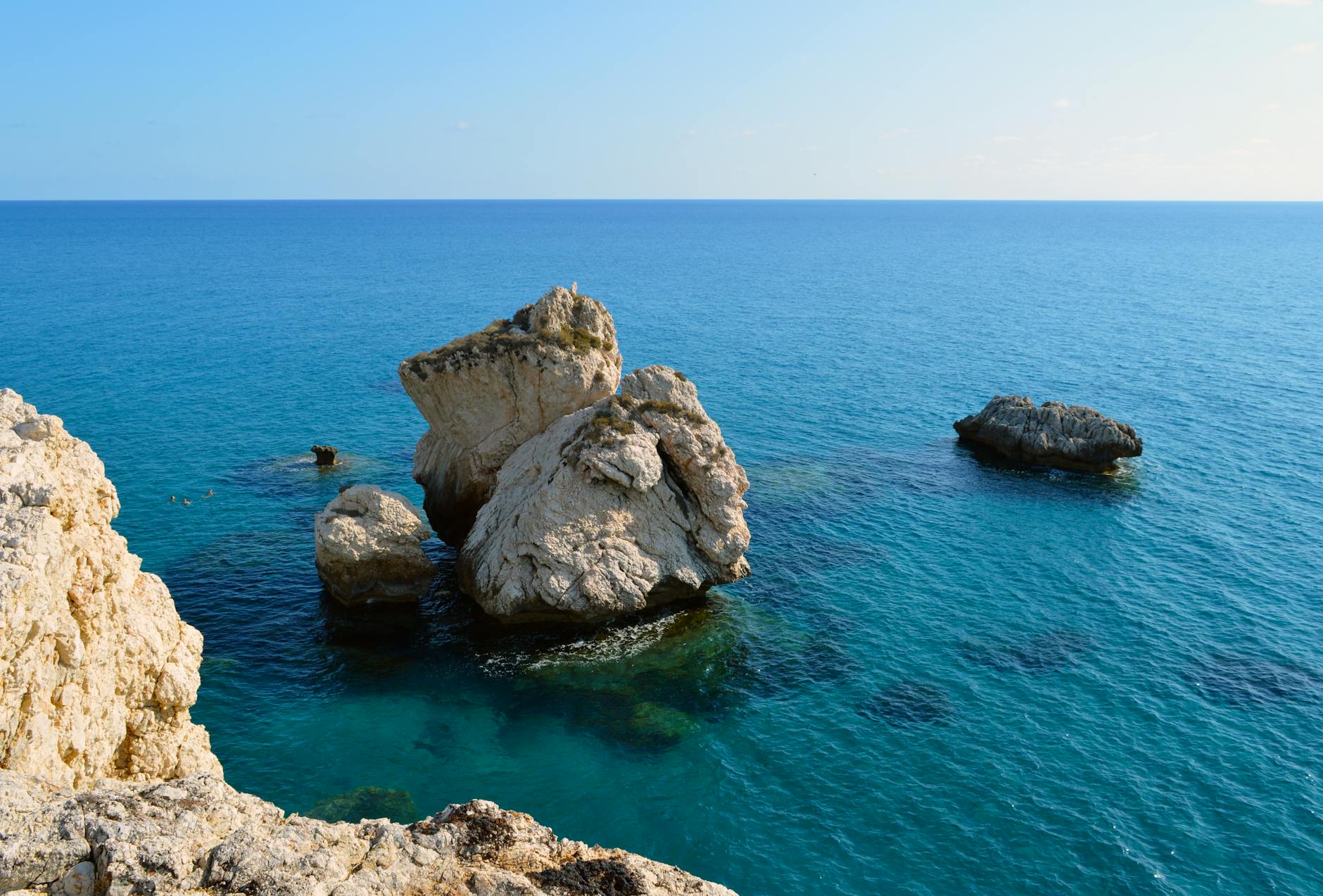
The most famous mythological figure associated with Cyprus is Aphrodite. She is often reduced to the goddess of beauty and love. A romantic symbol, softened and aestheticised over time.
But Aphrodite was never gentle in origin.
Long before Olympian order, the universe of Greek mythology emerged from Chaos, a formless divine presence. From this chaos came the primordial forces, among them Gaia, the Earth. When Gaia’s children were rejected and imprisoned by Uranus, the god of the sky, revenge followed. Uranus was castrated, and from the violence of that act, Aphrodite rose from sea foam.
Beauty born from brutality. Love born from chaos.
Before Aphrodite had a name, ancient Cypriots worshipped a Mother Goddess, a deity of fertility, sexuality, nature, and life itself. She was not merely beautiful, she was essential. Protector of soil, water, animals, birth, and survival.
This goddess did not belong to Cyprus alone.
Across the Middle East, similar figures appeared: Inanna in Sumer, Ishtar in Mesopotamia, Astarte in Phoenicia. Different names, different rituals, yet the same core symbolism. Female power, desire, creation, destruction. The sacred and the dangerous intertwined.
Myths migrated the same way humans did.
Shared gods, shared origins
These mythological parallels are not coincidences. They are traces of shared memory.
Cyprus’ earliest inhabitants came from the Middle East, particularly from regions linked to Mesopotamia and Phoenicia. Even today, Cypriots may be called European, but they still share physical features, gestures, and social patterns with West Asians. Borders may divide us now, but history remembers otherwise.
Religion, too, reveals this interconnectedness. Rituals of purity, veiling, priesthood, and symbolism echo across ancient cults and modern faiths. Judaism, Christianity, and Islam—all originating in the Middle East—carry remnants of far older beliefs, reshaped but never erased.
The world is not a collection of separate stories. It is one long narrative, told in different languages.
We are more connected than we think
Science confirms what mythology has always suggested.
Humanity began in Africa. From there, humans migrated across Asia and Europe, eventually reaching every corner of the planet. Civilisation—as we define it today—emerged relatively recently, around twelve thousand years ago, first taking shape in Mesopotamia.
Language, culture, religion, and myth evolved differently depending on climate, geography, and survival. But they all share a common root. We did not begin separately. We separated later.
To remember this is not to erase difference. It is to contextualise it.
Why modern mythology matters now
Myths do not belong to the past. They belong to moments of transition. Times when the old order no longer holds, and the new one has not yet taken shape.
That is where we are now.
Modern Mythology is an attempt to read the present the way ancient people read the world: symbolically, critically, and collectively. To look at gods not as divine beings, but as reflections of what we worship. To look at heroes not as flawless figures, but as mirrors of our values.
The gods never left.
We just stopped recognising them.
And perhaps, by remembering how to read myths, we can better understand ourselves.
 Cosmos Wanderer
Leave a comment